Source Grocery Shopping Bags for Apparel, Electronics, and Grocery
Source 30 customizable grocery shopping bags from verified suppliers. Compare options made from PE, plastic, and canvas cotton with thicknesses from 15 to 25 microns. These bags feature self-adhesive seals, shoulder handles, and OEM services for apparel, electronics, and household use.
Key considerations
Products List


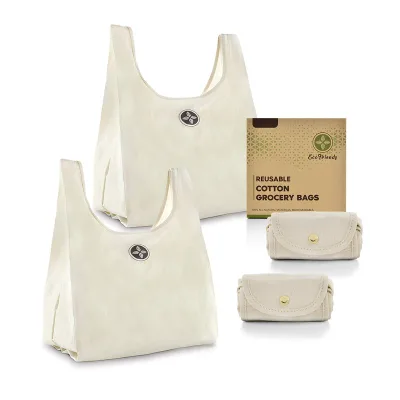

Portable Large Capacity Supermarket Shopping Quick Storage Bag Portable Bag
$0.99 - $1.29
MOQ: 100 Pieces


Comprehensive Sourcing Guide
Grocery Shopping Bag Sourcing Guide
Sourcing grocery shopping bags requires a careful balance between functional durability, aesthetic appeal, and cost efficiency. Buyers must navigate a diverse market where materials range from traditional plastics to sustainable alternatives, each offering distinct advantages for different retail environments. The decision often hinges on the specific use case, whether for heavy-duty produce transport or lightweight promotional giveaways. Understanding the technical specifications and material properties is essential to ensure the bags meet both operational needs and customer expectations.
This guide provides a structured approach to evaluating suppliers and products in this category. It focuses on verifying key attributes such as sealing methods, customization options, and load-bearing capacities. By adhering to evidence-based procurement practices, buyers can mitigate risks associated with quality inconsistencies and supply chain delays. The following sections detail the critical factors that influence sourcing decisions, helping purchasers make informed choices that align with their brand identity and logistical requirements.
Product Scope and Observed Listing Signals
The current market for grocery shopping bags exhibits a wide variance in material composition and design features. Observed listings indicate that polyethylene (PE) and plastic-based materials are prevalent, with options including HDPE, LDPE, and PP textures. These materials are often selected for their recyclability and disposable nature, catering to the high-volume turnover typical of grocery retail. Additionally, some products are crafted from canvas or cotton, offering a more premium, reusable alternative that appeals to environmentally conscious consumers. The presence of multicolor and brown options suggests flexibility in branding and aesthetic customization.
Functional attributes observed in listings highlight the importance of handle design and capacity. Shoulder-length handles are common, providing ergonomic comfort for users carrying multiple items. Capacity ranges from 2L to 3L for smaller bags, while weight limits often exceed 10 kg for heavier-duty variants. Features such as self-adhesive seals and folded designs indicate versatility in storage and distribution. Buyers should note that customization is widely available, allowing for tailored solutions that fit specific retail needs, from promotional items to standard household use.
Technical Specifications to Verify
When evaluating grocery shopping bags, thickness and size are critical technical parameters that directly impact performance. Listings show thickness options of 15mic, 20mic, or 25mic, with customization available for specific load requirements. Size specifications vary, with some products measuring 35/423012cm, while others offer fully customizable dimensions. Buyers must verify that the selected thickness aligns with the intended weight capacity to prevent tearing during transport. The model numbers, such as 407, 1463, and BS-247, serve as unique identifiers for suppliers, aiding in precise ordering and quality tracking.
Sealing and printing processes are also key technical considerations. Self-adhesive seals are noted as a feature, which can enhance convenience for users but may require specific handling instructions. Printing methods, including heat transfer and watermark techniques, allow for brand visibility and design integration. Buyers should confirm the durability of these prints, especially for reusable bags that undergo frequent washing. Additionally, the condition of the product (new) and disassembly status (undisassembly) are standard observations that ensure the product is ready for immediate use without additional assembly steps.
Compliance and Safety Documentation
Compliance with safety and environmental standards is paramount in the grocery bag sector. While specific certifications like CE are mentioned for certain models, buyers must verify the applicable standards for their target markets. Trusted category knowledge suggests that standards such as ASTM D6400 and EN 13432 are relevant for biodegradable or compostable claims, though these should be confirmed with the supplier. Documentation should clearly state the material composition, ensuring that any claims regarding recyclability or disposability are substantiated by test results or third-party certifications.
Safety documentation also includes information on material safety, particularly for bags intended for food contact. Buyers should request material safety data sheets (MSDS) to ensure that the plastics or fabrics used do not contain harmful substances. For products originating from regions like Jiangsu or Xiamen in China, understanding local regulatory requirements is essential. Clear labeling of product standards, whether customizable or fixed, helps in maintaining transparency and trust with end consumers, especially in markets with strict environmental regulations.
Cost Drivers and Commercial Terms
Cost structures for grocery shopping bags are influenced by material choice, customization complexity, and order volume. The observed price range of $0.02 to $4000 USD reflects the diversity from single-use thin films to high-end reusable tote bags. Minimum order quantities (MOQ) typically range from 1 to 10,000 pieces, with some suppliers setting a baseline of 100 PCS. Buyers should negotiate terms based on volume tiers, as larger orders often yield better unit prices. Payment methods, such as a 30% advance via T/T, are common, requiring careful cash flow management.
Shipping and lead times are significant cost drivers. Delivery times generally span 15 to 30 days after order confirmation, with shipping times estimated at 15-25 days. Packaging details, such as inner bags and outer cartons, affect logistics efficiency and potential damage risks. Buyers should factor in these lead times when planning inventory, especially for seasonal promotions. Understanding the total landed cost, including freight and customs duties, is crucial for accurate budgeting and competitive pricing strategies in the retail sector.
Supplier Qualification and Quality Control
Supplier qualification involves assessing their capability to deliver consistent quality and meet customization requests. Many suppliers offer OEM/ODM services, indicating flexibility in design and production. Buyers should verify the supplier’s production capacity and quality control processes, particularly for products with specific features like stitching or horizontal square designs. Origin locations, such as China, Jiangsu, or Xiamen, may have varying industrial standards, so due diligence is necessary to ensure reliability. Checking for past performance and client references can provide insights into the supplier’s consistency.
Quality control checks should include physical inspections of handles, seals, and print quality. For bags with a medium soft hardness or specific textures, tactile verification is important to ensure user comfort. Buyers should establish clear acceptance criteria for defects, such as uneven stitching or misaligned prints. Regular audits or third-party inspections can help maintain quality standards, especially for long-term contracts. Effective communication channels with suppliers are essential for addressing any issues promptly and ensuring that the final product meets the agreed-upon specifications.
Long-Term Procurement Checks
Long-term procurement success depends on continuous monitoring of supplier performance and market trends. Buyers should regularly review product quality, delivery times, and cost stability to identify any deviations from agreed terms. Feedback from end-users regarding bag durability and usability can inform future purchasing decisions. Staying informed about emerging materials and technologies, such as new biodegradable options, allows buyers to adapt their strategies to changing consumer preferences and regulatory landscapes.
Building a resilient supply chain involves diversifying suppliers and maintaining open lines of communication. Regular performance evaluations can help identify top-performing partners for expanded collaborations. Buyers should also consider the environmental impact of their sourcing choices, aligning with sustainability goals to enhance brand reputation. By proactively managing these aspects, businesses can ensure a steady supply of high-quality grocery shopping bags that meet both operational needs and ethical standards.
FAQs
What customization options are available for grocery shopping bags?
Customization is available for these grocery shopping bags, allowing buyers to specify dimensions and features. The product offers customizable thickness options like 15mic, 20mic, or 25mic to meet specific durability needs. OEM and ODM services are also provided to tailor the design and branding for your unique requirements.
How long is the shipping time for Grocery Shopping Bag orders?
The shipping time typically ranges from 15 to 25 days after the order is confirmed. Some listings indicate a delivery window of 15 to 30 days depending on the specific supplier and production schedule. Buyers should confirm the exact timeline with the manufacturer before finalizing the purchase agreement.
Which materials are used to make these grocery shopping bags?
These bags are primarily made from PE, HDPE, LDPE, PP, and PLA materials. The texture can vary between recyclable and disposable options depending on the specific product model selected. Plastic is the core material category, ensuring durability while offering flexibility for various household and commercial applications.
Can I find grocery shopping bags with specific capacity requirements?
Yes, specific capacity options are available, with some models ranging from 2L to 3L. The size can be customized to fit different volume needs, ensuring the bag meets your storage requirements. Buyers can request tailored dimensions to accommodate specific product loads or usage scenarios effectively.
What is the minimum order quantity for grocery shopping bags?
The minimum order quantity varies, with observed ranges starting from 1 unit up to 10,000 units. Some specific listings require a minimum of 100 pieces for standard orders. Buyers should verify the exact MOQ with the supplier to ensure it aligns with their procurement volume and budget constraints.
How are the grocery shopping bags packaged for shipment?
Packaging typically involves inner bags and outer cartons to ensure product safety during transit. Some suppliers use standard cartons for bulk shipments, while others may offer customized packing solutions. This method protects the bags from damage and keeps them organized for efficient distribution upon arrival.
Which payment methods are accepted for Grocery Shopping Bag orders?
The accepted payment method is T/T Advance Payment of 30%. This standard financial term ensures commitment from the buyer before production begins. Suppliers may have additional terms, so it is advisable to confirm the full payment schedule and conditions before placing the order.